Matthew 9.9-26 Christ heals in different ways
What is Christian Healing?
Today’s Gospel continues ideas seen in Pentecost and Trinity Sunday of God as the healer of the brokenness of the world and of human hearts. He seeks us out to bring us into oneness with himself and with one another. And this oneness, or wholeness, is what I call true Christian healing.
Often, I think people think of healing as a purely physical thing- and of course it is that too. And, of course, Jesus healed physical ailments. However, Scripture shows us that Christ is doing a lot more than simply trying to relieve physical illness. The revelation of Christ is about a healing of the broken world, an eternal perspective on our mortal and short-sighted lives.
God seeks to remake this world that has become corrupt in so many places through sin, and he calls us to work with him in this healing. The sin that Scripture is concerned with is more than breaking rules. Many Christians think of sin simply as an act that is wrong: something illegal, or that transgresses social rules. However, sin in Scripture may include something illegal, but it has a more powerful and extensive force: it means those acts, thoughts, and habits of mind that separate us from God, others and from our true selves (the self the person we were made to become but which has been distorted through life events).That is why Jesus says that he two great commandments are to love God and others as oneself.
We cannot overcome sin ourselves, so Jesus comes to reconcile us: our acts thoughts and habits of mind, so that we can work, with him and his Spirit, to build communities where all are equal and know respect and dignity.
If the point of our lives is to be part of building this eternal and spiritually-sound heavenly city in the new heaven and earth, then it makes us rethink what healing we are seeking, and what healing we need to ask for if we really want to be part of the Christian story.
If the point of our lives is to reflect God, then we can do that in any physical condition: whether we ae able or disabled, blind or deaf. Now, God certainly does not cause, or want, suffering for his beloved children, but he loves utterly those he has made. Society may judge and dismiss people as ‘less than’ but those dismissed by humans reveal love, compassion, grace, hope, perseverance and all the fruit of the Spirit. God works in and through people who are open to him. Our culture does not always see this, and in devaluing others, actually shuts out the growth of the Kingdom.
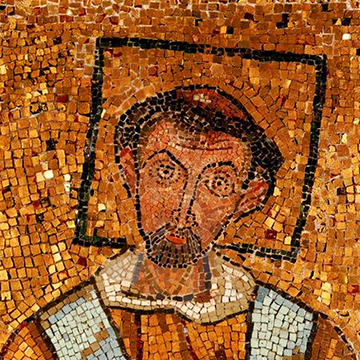
Today’s Gospel shows three different healings. First, Matthew is seen as a disparaged outsider by the Jewish people because he is a tax collector working for the hated occupying force of the Romans. It would seem he is both physically healthy and wealthy and therefore independent. In cultural terms, then, he is successful. But to be ostracised by one’s community is a huge ’illness’. So, Jesus comes to him and calls him into another life. He becomes part of the disciple group. Admittedly, this group sits outside mainstream culture, but it is a supportive group where the Truth of God helps people become who they are meant to be. And in this group, Matthew, who may be wealthy, but who may feel worthless and wrong, comes to see himself as God does: beloved. And so his new life can start in the Truth of God. This is healing of self, the cure of souls.
Jesus is condemned by the insiders for eating with sinners and tax collectors. By mixing with the wrong crowd Jesus has made himself impure. At this dinner party of sinners, there was no doubt generosity, laughter, sharing, compassion, support and encouragement of one another. No doubt there were also some less positive things said and deals made: life is complex! But, in this mess, the fruit of the Spirit was moving and Jesus was at home there.
How often can we shut our eyes to the movement of God in groups of people whom we think of as sinners, wrong ‘uns or useless? What difference would it make to our lives if we had an attitude of openness to whomever we meet to look, not for their wrongness, but for where God is working through their actions, words and hopes? How can we praise God daily when we are not truly looking to see where He is at work?
The next two healing stories are different for God is at work in all varieties and conditions of people. It would be easy to think of the Pharisees as ungodly because they condemn Jesus, but here we have a leader of the synagogue who recognises the goodness and power of Christ and comes to seek help for his beloved daughter. Jesus responds immediately to the his prayers. Do we respond to the prayers of those who oppose us, or who come form factions we don’t like, or do we hear only the prayers of those we know, and who ‘deserve’ our help? God recognises the cry of love for the daughter. This is God’s territory, this is God’s work of healing.
The middle-aged woman with the issue of blood is another outsider- considered totally impure and never to be part of society. Yet her faith in God, her trust in the goodness of God, if not in the goodness of human culture and society, heals her.
Interestingly, Jesus does not consciously heal here. Rather, he senses the life-giving force of God flowing out through him and then stops and looks at this daughter of Eve. In his humanity, he seems not to have heard her cries, or seen her creep closer. But God hears the cry, God’s love and life flows out to her. And Jesus rejoices at the acts of God. When we feel helpless in the face of suffering, do we actually realise that God is already trying to work in the situation? Afe our prayers supporting what God is actually doing, or are we trying to pray in the fear and responsibility of our own strength?
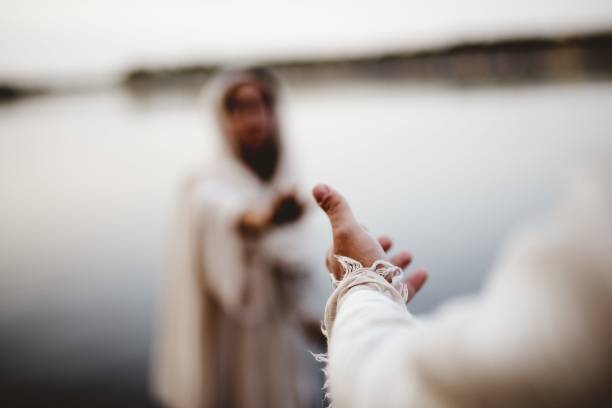
And then Jesus does something in both his humanity and divinity, he raises a girl from death. By touching her he makes himself impure again in the eyes of the culture, but the life force of God is greater than our human rules. How much do we limit God to what we think is proper or right?
And when we look at these two females: both impure: one at end of child bearing age, the other just beginning puberty, both considered impure, we can see how God sees them differently to the people around them. In both cases they are healed to return to community. To become full members of community and to care for others. In the new heaven and earth there is work and we, with joy, support and are supported by one another in true Shalom – true, interdependent communal peace. That is, wholeness, or healing.
This week: Am I praying for healing of someone else or for myself? What sort of healing do I really want: purely physical or fully Christian? How can I seek to draw on the almighty and ever-flowing, life-giving power of God in my life? What do I need to do to help someone else, or myself, come into community and so to be a part of God’s Spirit?
May you see blessings and healings around you this week. Amen.