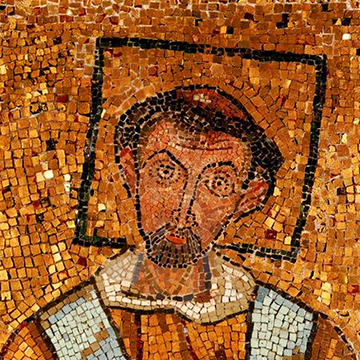
First Sunday in Lent Year A
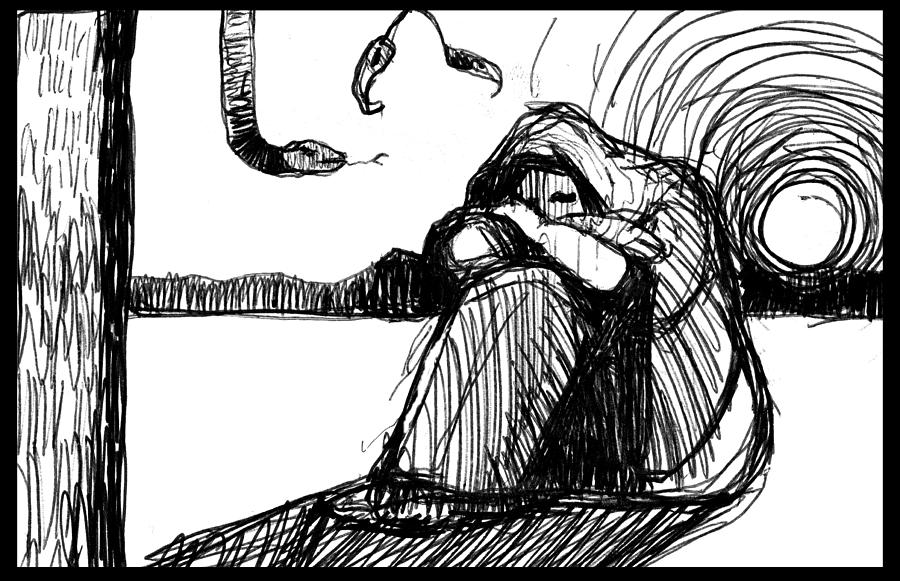
Jesus is tempted, and overcomes. Some might think it strange that the Son of God is tempted, but temptation is not just about moral failings, but rather that which stops us becoming fully alive in God; that is, fully ourselves as we are meant to be. To become fully human Jesus needed to be baptised, and then, full of the Spirit, to go out to the desert and be tempted. We have been made to reflect the image of God, and until we consciously choose to show forth this image, we are incomplete. So temptations are about a false identity.
Temptations draw us away from our godly inheritance and identity to turn ourselves into something else: focussing on our superficial appearance as the marker of our value and worth (see what awful effects this has on teenagers and their mental health); focussing on being approved and applauded by bosses and colleagues to the detriment of family and health; focussing on our pleasures because we are told that we ‘deserve’ it, and that the way to happiness is to indulge our desires for comfort, rather than seeing that we come to fullness by helping others.
Jesus is tempted by hunger to use his powers for himself– but he has been given the Spirit to heal and help others. He is tempted to feed from the applause and adulation of others – but he has been called to lead others to God not to draw others to himself; he is tempted to rely on his own amazing powers rather than on God himself. The last temptation occurs in Jerusalem when the devil says ‘throw yourself down’ : this temptation anticipates the Cross. Jesus could get down, but puts his own self aside for the well-being and the lives of others.
The Genesis reading describe the early Hebrew understanding of how humanity came to be so blind to their relationship to God. When Adam and Eve ate of the fruit of the tree of the knowledge of good and evil, they took for themselves the power to decide what was right and what was wrong. They decided that ‘right’ was what appeared to give them comfort and advantage, and what was wrong was those things that didn’t.
When we judge the world around us subjectively, then we tend to get it wrong. We seek to fit with culture and peers, and not stand firm in God’s values. We see ourselves as judged by others, rather than by the compassionate love of God. The first things that Adam and Eve experienced after eating the apple was shame about themselves. They could no longer see themselves as loved, but as naked and shameful. Fear entered the world with subjective judgment.
Jesus in his temptations shows us the way to freedom from the bondage of seeing only from what we think we want. Yes, he feels hunger – and yes, hunger is not a good thing and we should strive to feed the hungry and relieve poverty. It is understandable that Jesus feels hunger– and wants to satisfy it. But he will not use his powers for self but for others. He bears the hunger and saves his power purely for good- and the angels come to him and feed him.
We have hungers: for attention, for people’s approval, to be needed, to be heard more fully by those around us; to be loved. They are human needs, but they are not healthy when we feed them from other humans. We will feel validated when a spouse, boss or someone else validates us. We feel fulfilled only when we are wearing what others are wearing, living like they do. Instead of being fed by other human’s ego, Jesus is fed by Scripture which tells him that he is utterly loved by God, and that to come to the fullness of life all he needs to do is love God, and love his neighbour as himself.
Similarly, if we turn to God in our fears and miseries, realise we are loved by him, and that we are answerable to him and not to people or to the media view of what is ‘right’, we can be freed from some of our hungers. We need to see ourselves and our concerns, not just in our own light, but in how we fit in to the world of God.
We are here to work with others for the well-being of others, and we are all loved by God. If we take the focus off our need to be heard, to be applauded, to be strong, to be independent and on top of things, we can relax into our dependence on God, into his love for us, and then start to see how we can support and encourage and love those around us.
Unlike us, Jesus really could have been on top of everything, but he chose not to do so, to recognise that only when he was fully reliant on, and transmitting, the love of God for others, could he become fully human.
So, this week: what temptation tends to draw me to be reliant on cultural or purely human values? Can I recognise this temptation and turn to be fed by God, to grow into who He wants me to be?
Temptation turns us away from the new light of God for life, and to focus on our fears .
.